Homesteading the Memeosphere
Who owns the memes? How dare we ask such a laughable question?
Category
Articles filed under Culture.
Who owns the memes? How dare we ask such a laughable question?
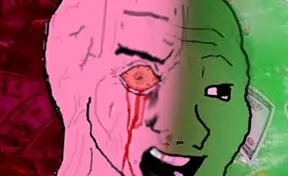
A central theme of post-2015 memecultures was the gamification of memes. This gave rise to Facebook memepages as well as a "meme president". Post-2020 memecultures now struggle with the challenge of the cope, which is an inevitable consequence of creating new games with a loss condition.
All memes are from the future: the literate memer anticipates that the meme will spread and change in meaning depending on where it gets reposted.
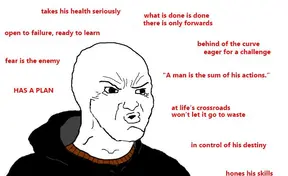
Memes are made by shitposters that live in the meatspace, which makes them affected by human schedules. It's a trivial point, but the schema of memes as semi-independent entities that float around on the sea of the Internet is too popular for this point not to be insightful.
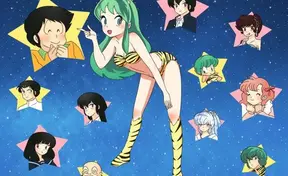
The archetypal online community is specialised in its collective interests, hostile to outsiders, particular about its tastes and difficult for normies to get into. Knowledge and skill, especially when useful for creating relevant content for the community, is highly valued; "otaku" is the Japanese equivalent of the "autist".
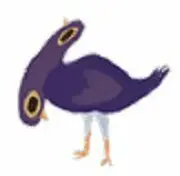
Normies are users with low memetic literacy or fluency. Trash Dove is a normie meme. That might very well change in the future.
I was walking home from a friend's place yesterday when I saw a few children chasing each other and play fighting. As I walked past, I heard one tell the other, 'get wrecked!' I wondered whether they learned it from video games they play (my guess was either LoL or DotA, but it could be one of those FPSs) or from older kids (or perhaps, most befittingly, even older kids online!) they know such as their older siblings.
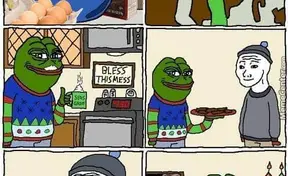
Honestly, I miss this meme. I guarantee that Pepe the Frog is going to become the biggest 'normie' meme of all time. It's popular with high school kids, who are basically the equivalent of university activists in the world of internet culture.